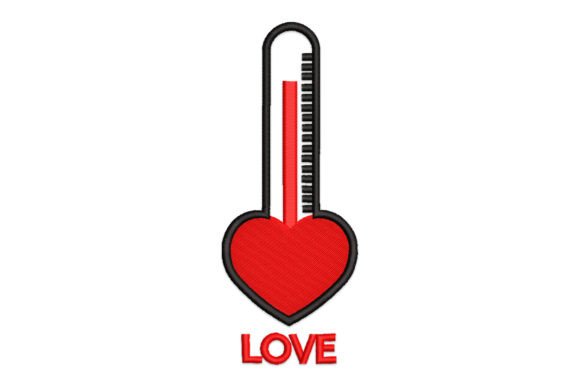
Love Thermometer Design Review
As an embroidery designer who spends hours evaluating digital files for commercial viability, I approach every new design asset with a critical eye. We are not just looking at aesthetics; we are looking at production efficiency, brand alignment, and customer perception. Today, I am reviewing the Love Thermometer, a design categorized under Valentine S Day Embroidery that promises to add whimsy and charm to various textiles. The description notes that it is meant to embellish fabrics like towels, pillows, and home decor, but my focus here is strictly on its potential for small business merchandising, branded patches, and custom apparel applications.
First Impressions: Whimsy Meets Professionalism
The title "Love Thermometer" immediately suggests a playful, romantic, or perhaps humorous tone. For a small business owner—whether you run a boutique café, a handmade jewelry shop, or a creative studio—the question is whether this level of whimsy aligns with your brand identity. From a design perspective, thermometer graphics often imply measurement, progress, or intensity. When applied to embroidery, this can translate into a fun visual metaphor for customer satisfaction, love levels, or seasonal hype.
Visually, the design appears to strike a balance between cute and clean. It does not scream "cheap novelty"; rather, it feels like a polished graphic suitable for a modern brand. However, the use of whimsy requires careful placement. If your brand is strictly corporate or minimalist, this design might feel too decorative. But for brands aiming for a friendly, approachable, and handmade aesthetic, the Love Thermometer offers a strong visual hook. It signals warmth and personality, which are crucial for building customer trust and engagement in a crowded marketplace.
Real-World Business Applications
In my experience, the most successful embroidered products are those that serve dual purposes: they function as useful items while simultaneously acting as mobile billboards for the brand. Here is how the Love Thermometer design performs in specific commercial scenarios:
- Embroidered Patches: This is perhaps the strongest use case. A well-executed Love Thermometer patch can be sewn onto denim jackets, backpacks, or work shirts. It adds a touch of individuality to staff uniforms without being overly loud. For a boutique selling accessories, these patches can be sold as standalone items, increasing average order value.
- Apron Embroidery: For bakeries, florists, or craft studios, aprons are essential branding tools. Placing the Love Thermometer on the chest pocket or upper bib area creates a cohesive look. It tells the customer, "We care about the details." The design’s likely compact nature makes it ideal for this space, ensuring it doesn’t overwhelm the garment.
- Tote Bag Design: Canvas tote bags remain a staple in sustainable retail. The Love Thermometer works beautifully here, especially if paired with simple, bold thread colors. It transforms a plain bag into a conversation starter. Customers are more likely to carry a tote that features a design they find charming, effectively turning them into brand ambassadors.
- Cap Embroidery: Baseball caps and beanies are high-margin items. The curved surface of a cap front can distort intricate designs, so simplicity is key. If the Love Thermometer has clean lines and minimal fine detail, it will stitch out sharply on structured caps. It adds a professional yet fun accent to headwear collections.
- Product Packaging Accents: Beyond apparel, consider stitching this design onto gift tags, fabric labels, or even the inside lining of boxes. These subtle touches elevate the unboxing experience, making the finished product feel premium and thoughtfully crafted.
Strategic Brand Identity Integration
Using the Love Thermometer in your commercial embroidery projects does more than just decorate fabric; it communicates values. When customers see a consistent application of this design across different touchpoints—from a staff uniform to a promotional tote—they perceive a higher level of professionalism. It shows that you have invested in quality design assets.
Furthermore, the thematic element of a "thermometer" can be leveraged for marketing campaigns. For example, during Valentine S Day, you could create a limited-edition collection where the design represents "rising demand" or "passion for craft." This narrative depth increases buyer engagement and helps differentiate your small business merch from generic competitors.
Critical Considerations and Risk Management
While the Love Thermometer has strong potential, there are specific areas where designers must exercise caution. Not all digital embroidery files translate perfectly to physical goods, and overlooking these details can lead to costly production errors.
- Small Patch Sizes: If you plan to use this design for small patches (under 2 inches), you must evaluate the stitch density. Fine lines may merge together, losing definition. Always test the design at its smallest intended scale before committing to bulk production.
- Curved Surfaces: Embroidering on curved surfaces like cap fronts or rounded bottle holders requires specialized techniques. If the design has straight, rigid elements, it may pucker or distort on a curve. Ensure the file allows for necessary adjustments or digitize it specifically for curved applications.
- Fabric Texture and Stability: The choice of fabric drastically affects the final look. On highly textured fabrics like heavy canvas or terry cloth, fine details may get lost. Conversely, on slippery synthetics, the design may shift. You must use the proper stabilizer to support the stitches and maintain integrity.
- Thread Color Contrast: The success of the design hinges on contrast. If you are embroidering on dark uniforms, light thread colors are essential. However, ensure the threads do not show through to the other side, which can look unprofessional. Test color combinations rigorously.
- Wash Durability: For items like aprons or work shirts that undergo frequent washing, the design must be robust. Loose fill stitches or excessive trim runs can snag or fade. Inspect the file for any weak points that might compromise longevity.
Practical Designer Notes for Production
To ensure the Love Thermometer performs flawlessly in your commercial embroidery workflow, follow these practical steps derived from industry best practices:
- Black and White Test: Before selecting vibrant thread colors, view the design in black and white. This helps identify spacing issues and ensures the silhouette remains clear regardless of color palette.
- Hoop Size Verification: Confirm the hoop size requirements of the digital embroidery file. Ensure it fits within your machine’s capabilities and the dimensions of your product blanks.
- Stabilizer Selection: Match the stabilizer to the fabric weight. Heavy-duty cut-away stabilizers are often best for woven garments, while tear-away may suffice for lighter home decor items.
- Mockup Creation: Create a printable mockup to visualize the design on your actual products. This allows for client approval and helps spot scaling issues early.
- Commercial Licensing: Most importantly, verify the commercial licensing terms of the design. Even if you purchase the file, ensure you have the right to sell physical goods made from it. This protects your small business from legal liabilities.
In conclusion, the Love Thermometer is a versatile addition to any designer’s library of design assets. With careful attention to production details and strategic placement, it can enhance your brand identity and drive sales in the competitive world of handmade products and custom apparel. Just remember to test thoroughly and prioritize quality control at every stage of the process.