Heart Key Embroidery Design Review for Craft Fair Success
First Impressions: Whimsy and Charm in Every Stitch
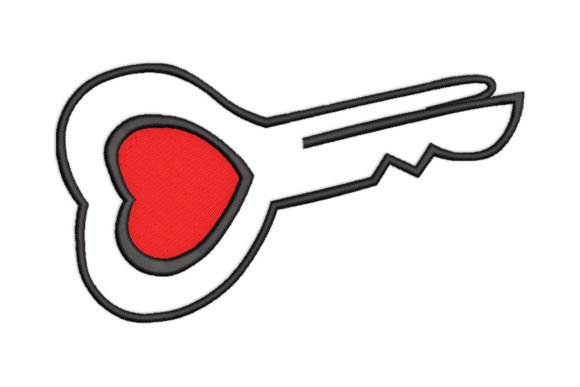
The Heart Key embroidery design immediately catches the eye with its blend of romantic symbolism and subtle creativity. While it doesn’t scream bold or modern, it radiates a soft, decorative charm that fits well within the themes of farmhouse, elegant, and festive handmade products. The name "Heart Key" alone evokes a sense of warmth and curiosity—perfect for drawing attention at craft fairs and handmade markets. From the product description, I can tell this is a versatile machine embroidery design intended for home decor, towels, and other fabric-based items. As an experienced embroidery designer, my first thought is whether this design will translate well into physical products. Based on what’s described, the answer seems promising.Where Heart Key Shines: Product Compatibility and Appeal
When considering where to showcase Heart Key, I think about the types of items that sell well at craft fairs and Etsy shops. Here are some standout options:- Tote Bag Design: A large tote bag is one of the best canvases for this design. Its size allows the Heart Key to be prominent without feeling overwhelming. Place it near the top or bottom seam for a balanced look.
- Apron Embroidery: On aprons, especially those with a rustic or vintage feel, Heart Key adds a charming focal point. It works well centered over the pocket or as a small accent near the waistband.
- Tea Towel Embroidery: For kitchen textiles like tea towels, the design brings a touch of whimsy that appeals to home cooks and gift shoppers alike. Use light thread colors for a fresh, clean appearance.
- Embroidered Patch: Turning Heart Key into a patch opens up possibilities for customizing denim jackets, backpacks, or even DIY accessories. Patches are a popular item among younger buyers and make great impulse purchases.
- Fabric Pouches & Market Bags: These are ideal for showcasing the design in person. The soft curves of the heart and key complement the gentle drape of cotton or linen pouches, making them both functional and attractive.
- Pillow Covers: Pillow covers are a staple at any craft fair booth. Heart Key adds a sweet detail that elevates simple designs into something memorable.
Production Practicality: What Works and What to Watch For
Before using Heart Key in production, there are several practical considerations every embroidery business owner should keep in mind:Design Clarity: One of the things I love about this design is how easy it is to understand at a glance. The shape of the heart and key is classic yet unique enough to spark interest. This clarity means customers won’t need to read long descriptions—they’ll recognize the theme instantly.
Scale Flexibility: Whether you're creating a small embroidered accessory or a large wall hanging, Heart Key adapts well. As a small accent, it adds a subtle pop of personality. As a large focal piece, it becomes a statement of craftsmanship and care.
Photography for Online Listings: The design photographs beautifully. Its symmetrical nature and contrasting elements (heart vs. key) create natural points of interest that draw viewers in. When paired with high-quality images of your finished products, it enhances the overall visual appeal of your Etsy listings and digital storefronts.
Batch Production Potential: If you're planning to produce multiple units, the design is repeatable and consistent across different placements. Just ensure you use the right stabilizer and hoop size depending on the fabric type and placement area.
Careful-Use Notes for Optimal Results
- Dense Stitch Areas: Depending on the file format, certain parts of the key may have heavier stitching. Be sure to test these sections on scrap fabric to avoid puckering or distortion.
- Tiny Details: If the design includes intricate patterns on the key, check that they remain clear and don’t become too delicate when stitched at smaller sizes.
- Small Lettering: If the design features text, confirm that it remains legible after embroidery. Consider enlarging the text slightly if used on darker or textured fabrics.
- Thick Fabric and Textured Towels: The stitch density might vary depending on the fabric. Thicker materials like canvas or highly textured towels may require extra stabilizing to maintain the design's crisp lines.
- Curved Cap Surfaces: If you plan to embroider caps or curved surfaces, test the design for distortion. Adjust spacing or scale accordingly.
- Dark Fabric Contrast: Light thread colors work best against dark backgrounds. If using on black or navy fabric, choose threads with good visibility to highlight the design.
- Smaller Sizes: At very small scales, the design could lose definition. Always test at least one sample before moving into full production runs.
Visual Impact and Customer Engagement
In a booth filled with handmade products, Heart Key stands out due to its warm and inviting aesthetic. It has the potential to increase product value by adding a personal, handcrafted touch. Customers tend to gravitate toward items that tell a story, and this design does just that—it suggests love, access, and perhaps a little mystery. As a handmade product, the design supports the perception of quality. The thoughtful placement of the heart and key implies intentionality in the design process, which reflects positively on the creator. For craft fair sellers, this kind of emotional resonance can significantly boost buyer engagement and encourage more sales.Brand Consistency and Booth Display Strength
If you're building a cohesive brand around romance, home décor, or artisanal gifts, Heart Key can easily fit into your line of design assets. It complements other Valentine’s Day motifs while maintaining its own identity.Designer Tips for Using Heart Key Effectively
Here are some tips I’ve picked up through years of experience working with digital embroidery files and preparing craft fair products:- Test on Scrap Fabric: Always stitch the design onto a scrap of your intended fabric to see how it looks and performs.
- Check Thread Colors: Ensure the chosen thread colors match the mood of your product and stand out against the fabric background.
- Review Spacing: Make sure the design isn’t too cramped or stretched. Proper spacing affects both aesthetics and stitch integrity.
- Confirm Hoop Size: Larger designs may require bigger hoops. Check the recommended hoop size from the embroidery file provider.
- Inspect Stitch Density: Dense stitching areas can cause puckering or fabric stress. Use tear-away or cut-away stabilizers as needed.
- Use the Right Stabilizer: Especially important for stretchy or thin fabrics. Choose between wash-away, tear-away, or no-show stabilizers based on your project.
- Create a Real Mockup: Before ordering supplies, make at least one real-life sample to assess the final look and feel.
- Compare Fabric Colors: The same design can look drastically different on white linen versus deep blue cotton. Test across a range of color palettes.
- Confirm Commercial Licensing: If you’re planning to sell finished products, always verify that the embroidery file includes commercial use rights.