Heart Feather Embroidery Design Review
As an embroidery designer who spends weekends setting up booths at local craft fairs and managing a busy handmade shop, I have learned that not every digital file translates into a sellable product. The gap between a cute screen image and a physical item that makes a customer stop in their tracks is often determined by stitch density, fabric choice, and the inherent "vibe" of the design. Today, I am reviewing the Heart Feather embroidery design to determine if it deserves a spot in my Valentine’s Day collection and whether it has the commercial viability to drive sales for fellow Etsy sellers and boutique makers.
First Impressions: The Aesthetic Appeal
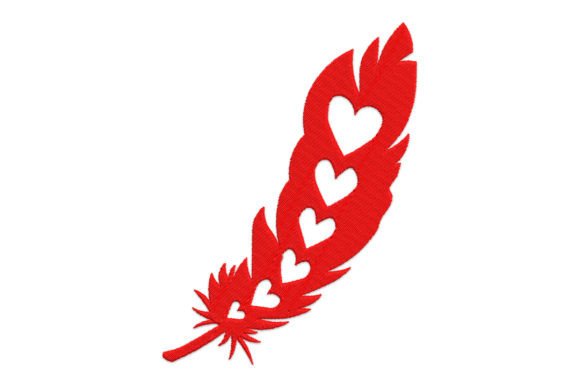
The title Heart Feather suggests a fusion of two distinct motifs: the romantic symbolism of a heart and the organic, free-spirited nature of a feather. From a design perspective, this combination immediately signals versatility. It does not scream loud, generic romance; instead, it whispers something softer, perhaps leaning towards a modern rustic or bohemian aesthetic. For a craft fair product, this subtlety is a strength. In a sea of bright reds and heavy script fonts typical of Valentine’s Day, a design that feels elegant and slightly minimal can stand out as premium.
When I first visualize this embroidery file, I imagine it as a decorative accent rather than a bold, overwhelming statement. It feels suitable for customers who appreciate handmade product quality over mass-produced novelty. The description notes that it is cool and suitable for embellishing fabrics, which tells me the design likely balances detail with negative space—a critical factor for legibility when stitched on textured materials like canvas or terry cloth.
Product Application and Market Fit
To evaluate the true potential of Heart Feather, we must look at where it will live physically. Based on the design's likely characteristics, here is how it performs across key commercial embroidery categories:
- Tote Bag Design: This is perhaps the strongest application. A tote bag design featuring Heart Feather allows the feather element to flow naturally along the side of the bag, while the heart anchors the center. Because tote bags are often used as everyday carry-alls, a design that is both romantic and practical appeals to a broad demographic. It photographs exceptionally well for online listings, offering a clean backdrop that highlights the thread work.
- Apron Embroidery: For kitchen-focused buyers, placing this on the bib of a linen apron creates a charming focal point. The feather adds a touch of whimsy to a utilitarian item. However, sellers must ensure the design is scaled correctly so it does not get lost in the folds of the fabric.
- Tea Towel Embroidery: Terry cloth presents a unique challenge. The texture can obscure fine details. If Heart Feather relies on tiny stitches or thin lines, it may lose clarity on a thick towel. Ideally, the design should have enough fill stitch to create a solid visual presence that contrasts against the white or cream fabric of the towel.
- Embroidered Patch: Converting this into a detachable patch expands its utility. Customers might attach it to denim jackets, backpacks, or caps. This format is highly popular among younger demographics and allows for lower price points, encouraging impulse buys at market booths.
- Pillow Covers and Home Decor: As suggested by the product description, this design works beautifully on small throw pillows. The softness of the feather motif complements home textiles, making it a great gift item for housewarmings or Valentine’s Day gifts.
Production Practicality and Quality Control
For any small shop product, production efficiency is just as important as aesthetics. Before committing to a large batch, I always test designs on scrap fabric to assess the stitch density. With Heart Feather, the primary concern is the transition between the heart shape and the feather barbs. If the feather details are too intricate, they may merge together during stitching, resulting in a muddy appearance. Conversely, if the heart is too dense, it may cause puckering, especially on lighter weight fabrics.
Sellers should pay close attention to thread colors. A monochromatic scheme (e.g., varying shades of pink or grey) will highlight the texture of the feather, while a high-contrast scheme (e.g., black feather on white fabric) will make the silhouette pop. When creating a printable mockup for your Etsy seller listing, choose background colors that mimic real-world products—like natural linen or denim blue—to give buyers a realistic expectation of the finished product.
Another critical factor is the hoop size. Ensure the design fits within standard hoop dimensions without requiring excessive re-hooping, which increases labor time. If the design is intended for curved surfaces like caps, verify that the stabilizer chosen provides enough support to prevent distortion. Using a cut-away stabilizer is generally recommended for stretchy or heavy fabrics to maintain the integrity of the machine embroidery design.
Strategic Selling Points for Craft Fairs
At a weekend craft fair, you have mere seconds to capture attention. Heart Feather offers several strategic advantages for booth display:
- Visual Cohesion: The design is simple enough to be recognizable from a distance but detailed enough to reward closer inspection. This balance keeps customers engaged with your booth longer.
- Giftability: Valentine’s Day is driven by gifting. Positioning Heart Feather items as "thoughtful" rather than "loud" appeals to buyers looking for unique, artisanal gifts. Pairing a tea towel with a matching pouch creates a higher-value bundle.
- Brand Consistency: If your brand leans towards rustic, boho, or minimalist aesthetics, this design reinforces that identity. It avoids the cliché of traditional hearts, positioning your finished product as contemporary and stylish.
Essential Designer Notes for Production
Before launching these items, please adhere to the following best practices to ensure professional results:
- Test on Scrap Fabric: Always run a test stitch-out on the exact fabric you plan to sell. Fabric texture can drastically alter how the design looks; what works on smooth cotton may fail on rough burlap.
- Check Thread Contrast: Low-contrast thread combinations can disappear into certain fabrics. Ensure there is sufficient difference between the thread color and the base material.
- Confirm Commercial Licensing: Verify that you have the appropriate rights to sell finished goods made from this digital embroidery file. Some designers restrict commercial use or require specific attribution.
- Review Spacing: Ensure that elements of the feather do not overlap awkwardly with the heart. Proper spacing contributes to a clean, professional finish.
- Create Real Mockups: While digital previews are helpful, nothing sells better than photos of the actual design assets stitched onto real products. Invest time in photographing your samples in natural light.
In conclusion, Heart Feather appears to be a versatile and aesthetically pleasing addition to any Valentine’s Day inventory. Its blend of romantic and organic elements makes it suitable for a wide range of handmade product applications, from apparel to home decor. By paying attention to production details and presenting it strategically, craft fair sellers and online entrepreneurs can leverage this design to attract customers looking for quality, thoughtful, and beautifully crafted items. Remember to check all technical specifications before mass production to ensure every stitch meets your high standards.