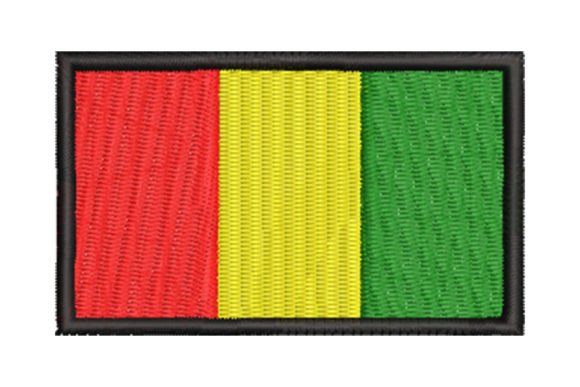
Flag of Guinea Embroidery Design Review
As an experienced embroidery designer who spends countless hours testing files for personalization markets, I approach every new design with a mix of excitement and skepticism. When I first pulled up the Flag of Guinea machine embroidery design, my immediate thought was not just about national pride, but about its potential as a personalized gift. In the world of handmade products, especially on platforms like Etsy or in boutique craft fairs, the difference between a good listing and a bestseller often comes down to emotional resonance and technical execution.
This review is based on my practical experience planning this design for real customer orders. Whether you are an Etsy seller, a small business owner, or a crafter looking to expand your catalog, understanding how this embroidery file performs is crucial before you commit to mass production. Let’s dive into the details, from the initial aesthetic appeal to the technical considerations that will determine your profit margins and customer satisfaction.
First Impressions: Mood and Aesthetic Appeal
The Flag of Guinea design carries a distinct mood that sets it apart from generic patriotic items. The vertical tricolor scheme—red, yellow, and green—is bold yet balanced. When digitized correctly, the design feels classic and modern simultaneously. It doesn’t scream for attention; rather, it offers a sophisticated accent that works beautifully on neutral backgrounds.
For a handmade product intended as a gift, this flag evokes feelings of heritage, travel, and connection. It is sweet without being childish, and elegant without being stiff. This versatility makes it an excellent choice for a wide range of recipients. Imagine a young couple celebrating their love for West African culture, or perhaps a family reconnecting with their roots. The design has the charm to appeal to both sentimental buyers and those who appreciate clean, graphic aesthetics.
The color palette itself is highly photogenic. For an Etsy seller, this means your printable mockup will stand out in search results. The contrast between the deep red, bright yellow, and rich green creates visual interest that photographs well, increasing buyer engagement and click-through rates. It feels warm, inviting, and deeply rooted in identity, which are key drivers for custom embroidery sales.
Product Applications and Giftability
One of the strongest selling points of the Flag of Guinea design is its adaptability across various product categories. It is not limited to one type of item. Here is how I see it performing in specific market segments:
- Baby Embroidery and Nursery Decor: The soft, rounded nature of many flag designs (depending on the specific digitization) works wonderfully on baby blankets and onesies. However, caution is advised with delicate fabrics (see below). For older children, it serves as a meaningful keepsake or a decorative element in a nursery themed around global cultures.
- Wedding Gifts and Keepsakes: Couples with ties to Guinea can incorporate this design into wedding favors, such as custom tote bags or embroidered handkerchiefs. It adds a layer of personal history to the celebration, making the wedding gift truly unique and memorable.
- Kitchen and Home Textiles: An embroidered towel or apron featuring this flag is a fantastic housewarming gift. The design acts as a stylish accent that complements rustic, bohemian, or modern kitchen decors. It transforms a utilitarian item into a piece of art.
- Accessories and Totes: For the everyday user, a canvas tote bag or a pillow cover featuring the flag is both functional and fashionable. These items have high perceived value because they combine utility with personal expression. As a small shop product, these are easy to ship and have low return rates if the quality is consistent.
When marketing these items, emphasize the story. Buyers are not just purchasing a flag; they are purchasing a connection to a beautiful country. This emotional connection boosts customer trust and encourages repeat purchases.
Technical Considerations and Potential Pitfalls
While the design is charming, no embroidery project is without its challenges. As a professional, I must highlight where this machine embroidery design requires careful handling to ensure a premium finish.
Fabric Texture and Thickness: The flag’s colors are vibrant, but on thick fabrics like heavy terry cloth towels or textured wool, the stitches may not lay flat. Always test on scrap fabric that matches your final product. If the fabric is too dense, the needle may struggle, leading to skipped stitches or puckering. Conversely, on very thin or stretchy baby clothes, the stabilizer choice becomes critical to prevent distortion.
Detail Level and Hoop Size: Check the stitch density carefully. If the design includes small lettering or intricate borders, ensure your hoop size accommodates the entire design without needing to re-hoop, which can misalign the image. Small details can get lost on curved surfaces like the shoulder of a shirt or the corner of a pillowcase. Always review small details after stitching a sample to confirm legibility.
Thread Color Contrast: The success of this design relies heavily on thread selection. On dark fabric, the red and green may blend together if the lighting is poor. On light fabric, the yellow might disappear against cream-colored cottons. Compare light and dark fabric mockups digitally before stitching to ensure the colors pop. Using proper stabilizer is non-negotiable here; it provides the foundation needed for the threads to sit proudly above the fabric texture.
Washability: Products that need frequent washing, such as baby blankets or kitchen towels, require high-quality thread and secure backing. Poorly stabilized flags can unravel over time, damaging your reputation. Invest in good wash-away or tear-away stabilizers depending on the fabric type to ensure longevity.
Practical Steps for Production Success
To maximize the success of the Flag of Guinea in your commercial embroidery business, follow these practical steps:
- Test on Scrap Fabric: Never run a full production order without a test stitch-out. This reveals issues with tension, density, or hooping before you waste expensive materials.
- Confirm Commercial Licensing: Before selling finished products, verify the license terms of the digital embroidery file. Some designers restrict commercial use, while others allow it with attribution. Respecting intellectual property protects your small business from legal issues.
- Review Stitch Density: High-density areas can make the fabric stiff and uncomfortable, especially for apparel. If the design is too dense for a baby blanket, consider adding a lighter underlay or simplifying the design if possible.
- Create Digital Mockups: Use high-quality images to show customers how the finished product will look. This helps manage expectations and reduces returns due to "not what I expected" complaints.
- Check Thread Colors: Ensure the thread spools you have in stock match the design intent. Subtle variations in thread dye lots can affect the final look, so buy in bulk if you plan to sell this design repeatedly.
Conclusion
The Flag of Guinea embroidery design is more than just a national symbol; it is a versatile tool for creating meaningful, high-value gifts. Its strong colors and classic layout make it suitable for a wide array of products, from baby items to home decor. By paying attention to technical details like stabilizer choice, fabric texture, and licensing, you can produce handmade products that delight customers and build a loyal following.
For the Etsy seller or craft fair vendor, this design offers a unique niche in the Around The World category. It allows you to tap into the growing market for personalized, culturally significant gifts. With careful planning and quality execution, this design can become a staple in your inventory, driving sales through its emotional appeal and aesthetic charm. Remember, the key to success in custom embroidery is not just the design itself, but the care and professionalism you bring to every stitch.