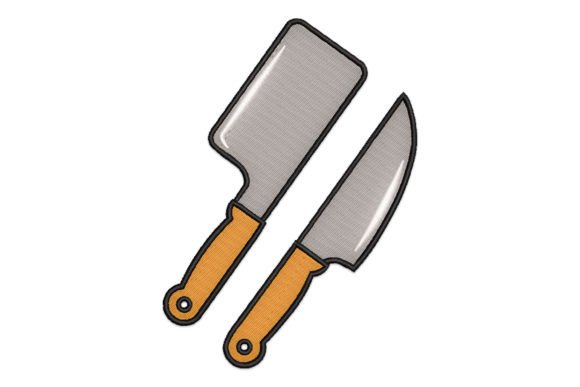
Cooking Knifes Embroidery Design Review
As an embroidery designer who has spent years refining stitches for boutique apparel, I approach every new embroidery file with a critical eye. It is not enough for a design to simply stitch out; it must hold its own on the garment, speak to the brand identity, and withstand the wear of daily life. Today, I am reviewing the Cooking Knifes design, evaluating its potential for a premium sweatshirt collection intended for a small online shop. This review focuses on how this kitchen-themed embroidery translates from digital asset to finished product, specifically within the context of sweatshirt embroidery and hoodie design.
First Impressions: Mood and Layout
The title Cooking Knifes suggests a playful, perhaps slightly rustic or bold aesthetic. When I first loaded the machine embroidery design, my immediate focus was on the layout and the overall mood. Does it feel like a mass-produced sticker, or does it have the weight of a custom brand mark?
In the realm of custom apparel, especially for Etsy sellers and small shop products, the "vibe" is everything. This design appears to lean towards a charming, decorative style rather than a minimalist one. The term "Knifes" (a colloquialism often found in vintage or rustic branding) hints at a personality that is casual yet distinct. For a boutique brand, this means the design can serve as a strong visual anchor. It is not just a logo; it is a statement piece that adds character to otherwise plain garments.
The detail level seems appropriate for mid-range complexity. It avoids being overly dense, which is crucial for maintaining fabric drape, while still offering enough visual interest to be recognizable from a distance. This balance is essential for finished product quality, ensuring that the embroidery enhances the garment rather than stiffening it into an uncomfortable shape.
Application on Sweatshirts and Hoodies
The primary use case for this design, as outlined in the description, includes towels, aprons, and tablecloths. However, the true test for any digital embroidery file is its versatility in apparel. Here is how Cooking Knifes performs when applied to various sweatshirt styles:
- Neutral Sweatshirts: On cream, oatmeal, or heather grey fabrics, the design will likely pop if paired with contrasting thread colors. A dark charcoal or navy thread would give the design a sophisticated, understated look suitable for a high-end boutique brand.
- Dark Fabric: Black or deep navy hoodies provide a dramatic backdrop. If the design features bright or metallic threads, it will create a striking contrast. However, if the design relies on subtle shading, dark backgrounds may require careful color selection to ensure readability.
- Pastel Colors: For spring or summer drops, pastels like blush pink, mint, or lavender work well with the "charm" aspect mentioned in the description. The softness of the fabric texture complements the playful nature of the knife imagery, creating a feminine and cozy aesthetic.
- Oversized Hoodies: The trend for oversized fits allows for larger placement options. Cooking Knifes could be placed centrally on the chest for a bold statement or scaled down for a left-chest pocket placement, which is popular among Gen Z demographics and creative entrepreneurs looking for trendy merchandise.
Strategic Placement Options
Variation in placement can significantly alter the perceived value of the item. Consider these placements for your handmade product:
- Chest Placement: Standard 3-4 inch width. Ideal for brand recognition and clean aesthetics.
- Sleeve Accents: A smaller, cropped version of the design on the cuff or upper sleeve adds a subtle detail that customers appreciate in close-up photos.
- Back Designs: For a limited drop, placing the full design on the back creates a premium feel. This is excellent for lifestyle product photography where the model is facing away, showcasing the unique artistry.
Technical Evaluation for Commercial Use
For commercial embroidery to be successful, technical precision is non-negotiable. As a designer, I evaluate several key factors before approving a design for production.
Stitch Density and Fabric Texture
Sweatshirt fleece is thick and plush. If the stitch density of Cooking Knifes is too high, the needles may struggle to penetrate, leading to skipped stitches or fabric distortion. Conversely, if the density is too low, the underlying fabric may show through, making the design look cheap. Ideally, the design should utilize a mix of fill stitches and satin stitches to create texture without overwhelming the material. The interaction between the smooth polyester threads and the rougher cotton/poly blend of the sweatshirt creates a tactile appeal that elevates the brand identity.
Stabilizer Choice
Proper stabilization is critical. For knit fabrics like sweatshirts, a cut-away stabilizer is usually recommended to prevent stretching during washing. The weight of the embroidery must be balanced by the stability of the backing. If the design feels "light," a lighter tear-away might suffice for temporary support, but for a durable finished product, a stable base is necessary to maintain the integrity of the hoop size area over time.
Thread Color Contrast
The success of this design hinges on thread colors. Given the subject matter, earthy tones (olive, rust, mustard) or classic monochromes (black, white, gold) would likely resonate best with the target audience of home cooks and food enthusiasts. High-contrast combinations ensure that the details of the knives are legible, which is vital for visual recognition in printable mockup previews and actual sales listings.
Impact on Brand Value and Customer Trust
In the crowded marketplace of handmade goods, quality signals trust. A well-executed embroidery project demonstrates attention to detail. When a customer sees a crisp, durable design like Cooking Knifes on a sweatshirt, they perceive higher value. This directly impacts buyer trust and justifies a premium price point.
Furthermore, unique design assets help differentiate a small clothing brand from generic competitors. By using a distinctive design, you create a cohesive look across your collection. Whether it is part of a kitchen-themed line or a standalone fashion piece, the embroidery becomes a signature element. This fosters customer engagement, as buyers often share their purchases on social media, providing free marketing for your Etsy seller store or website.
Practical Tips for Production
To ensure the best results when producing your apparel decorators inventory:
- Check Hoop Size: Verify that the design fits comfortably within your standard hoop dimensions to avoid unnecessary trimming or re-hooping.
- Test Stitch Out: Always run a test on scrap fabric similar to your final garment to check for tension issues and color accuracy.
- Washing Durability: Ensure the design is anchored properly to withstand machine washing, a key concern for kitchen-related apparel like aprons and lounge wear.
Final Verdict
The Cooking Knifes embroidery design offers a charming and versatile option for embroidery shops and crafters looking to expand their offerings. Its playful yet sturdy aesthetic makes it suitable for a wide range of applications, from cozy seasonal apparel to professional kitchen gear. While specific technical details such as exact stitch counts and file formats should be verified by the user, the design’s inherent charm and adaptability make it a strong candidate for boutique brand collections.
By integrating this design into your small business strategy, you can create memorable handmade products that resonate with customers who appreciate both style and substance. Whether used for a limited drop or a permanent staple, Cooking Knifes has the potential to add a touch of personality and professionalism to your embroidered goods.