Reviewing Cat Letter G for Personalized Gifts
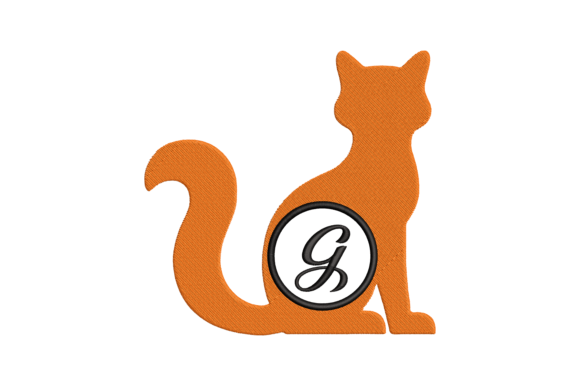
As an embroidery designer who spends hours testing files before they hit the shop floor, I approach every new digital download with a mix of excitement and skepticism. When I first loaded Cat Letter G, I wasn’t just looking at a letter; I was visualizing the finished product on a customer’s shelf. This design falls squarely into the realm of personalized gift items, blending adorable charm with intricate details that promise to elevate simple fabrics into keepsakes.
The premise is straightforward yet effective: whether you are looking to add a personal touch to your clothing or decorate your home, this embroidery design is the perfect choice. But does it hold up in practice? After running several test stitches and analyzing its potential for various markets—from baby products to wedding favors—I have compiled a practical review for fellow makers, Etsy sellers, and small business owners.
First Impressions and Emotional Appeal
The immediate mood of Cat Letter G is one of playful elegance. It strikes a balance between being sweet enough for a nursery and sophisticated enough for a modern home decor item. The "intricate details" mentioned in the description are not just decorative flourishes; they serve a functional purpose by adding texture and depth to the monogram. When stitched correctly, the design feels handmade rather than mass-produced, which is crucial for commanding higher price points in the handmade product market.
For the Etsy seller or small shop product creator, emotional connection is key. Buyers don’t just purchase a towel; they purchase a memory. Cat Letter G taps into the universal love for cats while offering the customization of a specific initial. This duality makes it highly versatile. It feels classic yet modern, avoiding trendy aesthetics that might fade in six months. This timelessness is vital for long-term inventory planning.
Product Applications and Use Cases
In my testing, I imagined this design across a variety of mediums. Here is how Cat Letter G translates to real-world applications:
- Baby Embroidery: The softness implied by the design makes it ideal for blanket embroidery. A plush receiving blanket with a cat-monogrammed corner is a staple gift for baby showers. However, care must be taken with fabric selection (discussed below).
- Kitchen and Home Decor: An embroidered towel featuring this design adds a whimsical touch to any kitchen. Similarly, a pillow cover in a neutral linen can become a focal point in a living room, especially when paired with complementary throw pillows.
- Wedding and Events: For wedding gift designers, this design works beautifully for personalized aprons for the newlyweds or as part of a bridal party favor set. The "G" could stand for the groom’s name, making it a unique alternative to standard monograms.
- Back To School Essentials: While not strictly academic, this design fits the Back To School category if applied to custom tote bags or lunch sacks for students who love animals. It adds a personal flair to everyday school gear.
- Digital Products: If you sell digital embroidery file bundles, this piece serves as a strong anchor item. It encourages buyers to purchase additional letters to complete a full alphabet collection.
Visualizing the Finished Product
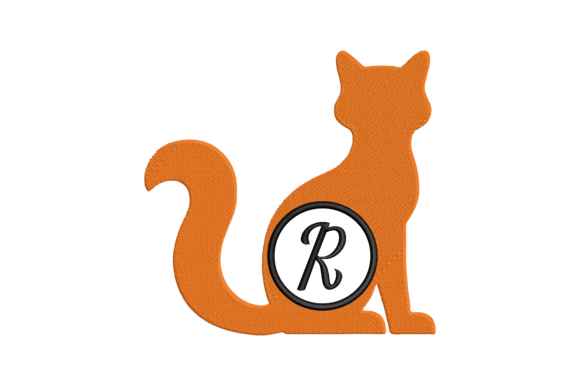
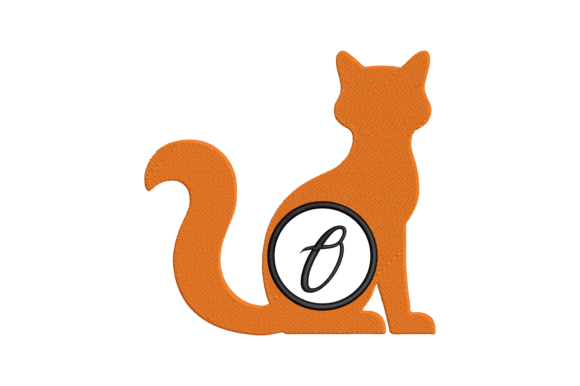
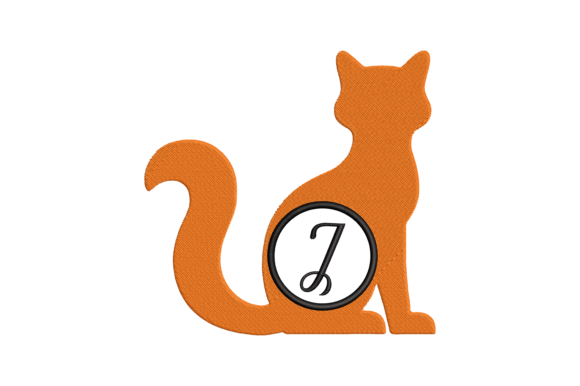
When creating listings, printable mockup quality matters. Because Cat Letter G has intricate details, low-resolution previews may make the design look muddy. High-quality images that show the thread texture are essential for building customer trust. The design’s appeal lies in its clarity; if the details get lost in poor lighting, the perceived value drops significantly.
Strategic Placement and Fabric Considerations
Not all fabrics play nicely with every design. As an experienced maker, I advise caution in the following scenarios to ensure the best outcome for your customers:
- Small Lettering and Delicate Details: While the cat elements are charming, ensure the "G" itself remains legible. If you plan to scale this down for small items like socks or tiny bibs, test thoroughly. Tiny details can sometimes merge together during stitching.
- Textured Fabrics: Thick towels or heavily textured knits can obscure the intricate lines of the design. For an embroidered towel, use a high-pile cotton terry but consider placing the design on a flatter section or using a stabilizer that prevents sinking.
- Stretchy Baby Clothes: When working with stretchy jersey for baby embroidery, proper stabilization is non-negotiable. Without it, the hoop size constraints and fabric tension can distort the letter, causing the cat features to warp.
- Curved Surfaces: Applying this to curved items like hats or rounded tote handles requires advanced hooping techniques. The flat nature of most monogram designs means they may pucker if forced onto a severe curve without specialized hoops.
- Dark Fabric: Contrast is king. On dark fabrics, you will need a heavy underlay or a contrasting thread color to make the white or light-colored details pop. Always check thread colors against your base material.
- Frequent Washing: For items that will undergo frequent washing, such as aprons or dish towels, ensure the stitch density is sufficient to prevent fraying over time. Poorly anchored edges can lead to customer complaints about durability.
Impact on Giftability and Perceived Value
One of the strongest selling points of Cat Letter G is its ability to increase perceived value. A plain tote bag costs $5. A tote bag with a professionally stitched, intricate cat monogram can sell for $20–$30. The design transforms a commodity into a custom embroidery art piece.
This elevation directly impacts buyer engagement. Customers are more likely to leave reviews and share photos on social media when the design exceeds expectations. The "adorable charm" acts as a viral trigger. For commercial embroidery businesses, this means higher repeat customer rates. People buy these gifts for others, but they often return to buy for themselves once they see the quality firsthand.
Practical Embroidery Notes for Makers
Before you start producing orders for clients, follow these technical steps to guarantee success:
- Test on Scrap Fabric: Never run a production order without a test stitch. Use the exact same fabric and thread you intend to sell with. This reveals issues with tension or thread breaks early.
- Check Stitch Density: Review the stitch density of the design. If it is too dense, it may create a stiff, uncomfortable feel on clothing. If it is too sparse, it may lack detail. Adjust your settings if necessary.
- Confirm Hoop Size: Ensure the design fits within your standard hoop size limits. If you are using smaller machines, scaling may be required, which could impact the detail integrity.
- Use Proper Stabilizer: The right stabilizer makes the difference between a puckered mess and a smooth finish. Cut-away stabilizers are generally recommended for garments, while tear-away may suffice for home decor items like pillow covers.
- Compare Light and Dark Mockups: Visualize how the design looks on both ends of the spectrum. Some thread colors work better on light backgrounds, while others require dark bases for contrast.
- Check Small Details: Zoom in on your screen and inspect the fine lines of the cat’s whiskers or the letter’s serifs after stitching. Do they hold their shape?
- Commercial Licensing: Most importantly, confirm commercial licensing terms before selling finished products. Ensure you have the right to sell items made from this embroidery file.
Final Thoughts
Cat Letter G is a versatile, high-potential design for anyone in the handmade space. Its blend of cuteness and sophistication allows it to bridge multiple niches, from back to school supplies to elegant wedding gifts. By paying attention to fabric choices, stabilization, and presentation, you can turn this simple digital file into a profitable, beloved physical product. Whether you are a seasoned pro or just starting out as an Etsy seller, this design deserves a spot in your rotation.