Little Pirate Embroidery Review
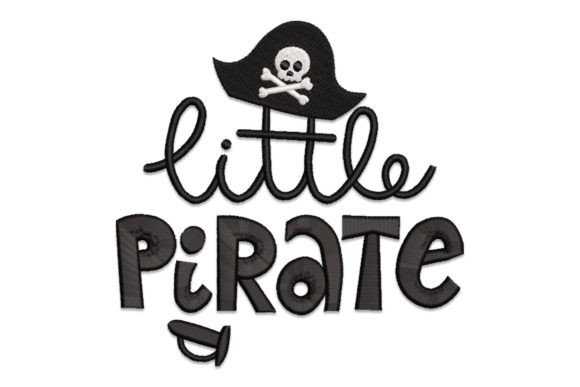
As an embroidery designer who spends weekends setting up booths at local craft fairs and managing a busy handmade shop, I know that not every digital file translates into a bestseller. You can have the most intricate stitch work in the world, but if it doesn’t catch the eye of a passerby or photograph well for your Etsy listings, it’s just thread on fabric. Today, I am reviewing a specific design asset: Little Pirate. This whimsical and playful representation of a young pirate character is designed to capture the adventurous spirit of pirate lore, with a particularly prominent pirate hat as its key element.
I put this design through the wringer—mentally and practically—to see how it would perform when turned into actual crafter fair products. Here is my professional breakdown of why this design works, where it shines, and what you need to watch out for during production.
First Impressions: Bold, Playful, and Instantly Recognizable
The moment you look at the preview for Little Pirate, the vibe is clear. It isn’t trying to be elegant or rustic farmhouse chic. Instead, it leans heavily into a fun, modern, and slightly humorous aesthetic. The prominence of the pirate hat is a smart design choice; it creates an immediate silhouette that customers can understand from three feet away—a crucial factor when you are standing behind a crowded market table.
In the world of machine embroidery design, clarity is king. A design that relies on tiny, indistinct details often gets lost in the noise of a busy booth. Little Pirate avoids this trap. The character feels approachable and cute, striking a balance between "adventurous" and "child-friendly." This makes it versatile. It appeals to parents buying gifts for kids, but also to adults who appreciate a bit of whimsy in their home decor. The visual appeal is high because the focal point (the hat) is distinct, giving the design a strong brand identity even when scaled down.
Product Performance: Where Little Pirate Sells Best
Not all embroidery files work equally well on every substrate. Based on the description and typical performance of similar character designs, here is how Little Pirate performs across various handmade product categories.
Tote Bags and Market Bags
This is arguably the strongest use case. A canvas tote bag provides a large, flat surface that allows the full character to breathe. The contrast of colorful threads against natural or solid-colored canvas makes the design pop. For an Etsy seller, a tote featuring Little Pirate is highly photogenic. It looks like a complete lifestyle product rather than just a stitched logo. Customers love bags that tell a story, and the adventurous theme fits perfectly with the utility of a market bag.
Aprons and Tea Towels
Kitchen items are impulse-buy staples at craft fairs. Placing Little Pirate on a white or light-blue tea towel embroidery project adds a touch of personality to a mundane item. Similarly, on a chef’s apron, the design serves as a great conversation starter. However, be mindful of the placement. On an apron, ensure the design is centered or positioned so it doesn’t get twisted when worn. The playful nature of the design softens the utilitarian look of kitchen linens, making them feel more giftable.
Caps and Embroidered Patches
The prominent pirate hat in the design makes it naturally suited for headwear. Whether you are embroidering directly onto a cotton cap or creating a detachable patch, the shape of the character complements the curve of the brim. If you create an embroidered patch, the bold outline of the hat ensures the patch remains legible even when viewed from a distance. These are high-margin items that are quick to produce, making them excellent for batch manufacturing.
Pillow Covers and Small Pouches
For home decor, Little Pirate works well as a focal point on a throw pillow. The whimsical theme adds a playful accent to a nursery or a child’s bedroom. Small fabric pouches, perhaps used for holding sewing kits or travel accessories, also benefit from this design. The compact size of the pouch forces the design to be tighter, which tests the limits of the digitization, but the bold elements should hold up well.
Practical Selling and Production Considerations
Before you start running this design through your machine for commercial purposes, there are several practical points to consider. As a business owner, your goal is consistency and quality control.
- Visual Clarity at Scale: While the design is detailed, ensure it remains legible when printed on small tags or used as a thumbnail in your online store. The hat must remain the recognizable anchor.
- Photography and Mockups: Create a printable mockup before committing to bulk production. See how the colors interact with different background fabrics. Does the thread contrast enough? A good digital embroidery file needs to look good in both person and pixel.
- Batch Production: Is the design repeatable? Yes. The structure appears consistent, allowing you to run multiple units without significant adjustments. This efficiency is vital for maximizing your time at a weekend craft fair.
Technical Notes and Careful Use Warnings
Even the best designs have technical pitfalls. Here is what you need to check before you start stitching:
- Stitch Density: Check the stitch density of the hat area. If it is too dense, the fabric may pucker, especially on lightweight materials like tea towels. If it is too sparse, the design may look thin and cheap.
- Fabric Texture: Be cautious with textured fabrics. A rough burlap tote might obscure the finer details of the pirate’s face. Stick to smoother weaves for the best result.
- Hoop Size and Spacing: Confirm the required hoop size. If the design is large, you will need a bigger hoop, which limits your ability to embroider near seams or edges on smaller items like caps.
- Thread Contrast: Choose thread colors carefully. Dark fabric requires bright, high-contrast threads to make the design visible. Light fabric offers more flexibility but may require a backing stabilizer to prevent show-through.
- Stabilizer Choice: Always use the right stabilizer. For curved surfaces like caps, a cut-away stabilizer is usually necessary to maintain shape over time.
Final Verdict: A Strong Addition to Your Design Assets
Little Pirate is a solid choice for any commercial embroidery catalog aimed at families, teachers, or fans of nautical themes. Its strength lies in its simplicity and charm. It doesn’t try to do too much, which means it rarely fails. The prominent hat gives it a unique hook that stands out in a sea of generic floral or geometric patterns.
For the small shop product maker, this design offers a low-risk, high-reward opportunity. It is easy to understand, photographs well, and fits on a wide variety of popular merchandise. Just remember to test on scrap fabric first, verify your commercial licensing terms, and always prioritize the quality of your finish. When executed correctly, Little Pirate won’t just sit on your shelf—it will sell.