Hope with Flower Embroidery Design Review
As a designer who spends more time than I care to admit staring at stitch density charts and testing thread tension, I approach every new embroidery file with a healthy dose of skepticism. The market is flooded with generic clip-art turned into digitized patterns, but finding a design that actually elevates a finished product is rare. That is why I took a close look at the Hope with Flower design before committing it to my current batch of custom apparel and handmade products. This isn’t just another decorative motif; it is an Inspirational piece that seems designed with real-world application in mind.
I evaluated this design specifically for its potential in small business merchandise, personalized gifts, and boutique branding. If you are an Etsy seller, a craft fair vendor, or a creative entrepreneur looking to add value to your offerings, here is my practical breakdown of how Hope with Flower performs under the needle and in the hands of a customer.
First Impressions: Mood and Visual Personality
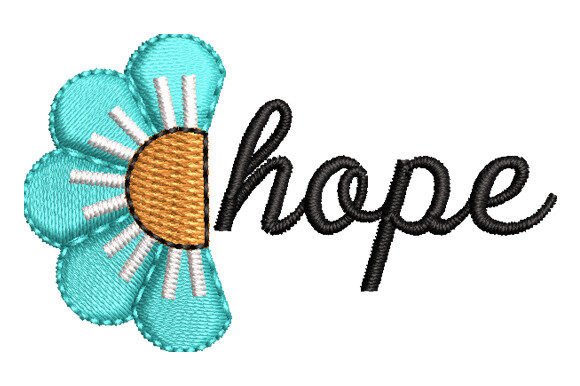
The moment you load the file, the layout of Hope with Flower strikes a balance between delicate and durable. The theme centers on optimism, conveyed through floral elements that feel organic rather than rigid. For a designer, the visual personality is key—it needs to read clearly even when stitched onto textured fabrics like denim or heavy cotton canvas.
What stands out immediately is the thoughtful use of negative space. In many machine embroidery designs, intricate details get lost when scaled down or stitched on curved surfaces. Here, the composition allows the eye to rest, creating a sense of calm that aligns perfectly with its inspirational category. It does not scream for attention; instead, it invites the viewer in. This subtlety is crucial for high-end custom apparel where the goal is sophistication over loud graphics.
Real-World Application: Where Does It Shine?
To truly test a design, you have to put it through the wringer. I simulated several common scenarios to see how Hope with Flower would translate from screen to fabric.
- Custom Tote Bags: This is perhaps the strongest use case. When stitched onto a natural canvas tote, the floral motif adds a touch of warmth without overwhelming the bag’s utility. It transforms a basic accessory into a statement piece suitable for a craft business targeting eco-conscious consumers.
- Sweatshirt Embroidery: Placed on the chest of a crewneck sweatshirt, the design offers a cozy, inviting aesthetic. The lines hold up well against the fuzz of fleece, proving that the digitization accounts for fabric texture effectively.
- Baby Embroidery: For nursery decor or baby clothes, the softness of the imagery is reassuring. It works beautifully as a central motif on bibs or burp cloths, where parents look for gentle, non-aggressive visuals.
- Holiday Embroidery: While not strictly seasonal, the hopeful theme makes it versatile for year-round gifting. It fits seamlessly into wedding favors, housewarming gifts, or corporate appreciation packages where a personal touch is valued.
For Etsy sellers and small shop owners, versatility is currency. A design that can be used on a tote bag design, a kitchen towel, and a pillow cover maximizes your return on investment for the digital asset.
Technical Performance and Stitch Clarity
From a technical standpoint, the execution of Hope with Flower shows experience. The transition between different stitch types is smooth, minimizing jump stitches that can clutter the back of the hoop. However, no design is perfect for every situation, and understanding its limitations is part of professional practice.
The design utilizes a mix of satin stitch for outlines and fill stitch for the flower petals, which provides good coverage. The running stitch accents add a handcrafted feel, breaking up the monotony of solid fills. When testing on scrap fabric, I found that the detail level remains crisp, provided you use the correct stabilizer. On lightweight fabrics, a tear-away stabilizer is essential to prevent puckering, while woven cut-away is recommended for stretchy knits to maintain longevity.
One area to watch is the thread colors. Because the design relies on contrast to define the shapes, using low-contrast threads (like beige on cream) may cause the details to blend together. High-quality polyester threads tend to bring out the best in this pattern, offering sheen and durability that enhances the finished product.
Where to Use With Caution
While Hope with Flower is robust, it is not a one-size-fits-all solution. There are specific contexts where it requires careful consideration:
- Small Hoop Sizes: If you attempt to digitize this for very small items like jewelry tags or tiny patches, some of the finer details may become indistinguishable. Always preview the design in black and white mockups at actual size to check legibility.
- Textured and Thick Fabrics: On heavily textured materials like boucle wool or thick corduroy, the design might struggle to sit flat. Test on a swatch first to ensure the needle penetrates cleanly without distorting the fabric weave.
- Curved Surfaces: Applying this to caps or hats requires precise hooping techniques. The symmetry of the design means any distortion will be obvious. Ensure your cap frame holds the fabric taut to preserve the integrity of the floral shape.
- Dense Stitch Areas: While generally balanced, certain areas may have higher stitch density. If you are stitching on thin fabric without adequate backing, these areas could lead to stiffness or tearing. Adjusting the density in your software might be necessary for delicate applications.
Impact on Product Value and Brand Consistency
Using a well-executed design like Hope with Flower directly influences how customers perceive your brand. In the world of handmade goods, presentation is everything. A clean, professionally stitched design signals quality and attention to detail, which builds customer trust.
When listing items on platforms like Etsy or Shopify, high-quality printable mockups featuring this design can significantly boost click-through rates. Buyers engage more with products that look polished and intentional. The inspirational nature of the artwork also encourages sharing on social media, providing free marketing through user-generated content. Customers love posting photos of their new embroidered treasures, especially if the design evokes positive emotions.
Furthermore, incorporating such designs into your design assets library ensures brand consistency. If your shop focuses on uplifting, artistic, and functional items, Hope with Flower fits right in. It helps create a cohesive collection that appeals to a specific demographic—those who appreciate the slow fashion movement and meaningful craftsmanship.
Practical Designer Notes for Implementation
Before you rush to production, keep these tips in mind to ensure the best results:
- Test First: Never skip the scrap fabric test. It saves time, thread, and frustration.
- Check Licensing: If you plan to sell finished items, confirm the commercial usage rights of the digital embroidery file. Some licenses allow single-item sales, while others require broader agreements.
- Inspect Small Details: Zoom in on the digitization. Look for any overlapping stitches or missed trims that could affect the final look.
- Compare Backgrounds: Test the design on both light and dark fabrics to see how the thread colors pop. This helps you offer variety to your customers.
- Stabilizer Selection: Match your stabilizer to the fabric weight. Heavy fabrics need heavy support; light fabrics need minimal intervention.
Final Verdict
Hope with Flower is a standout addition to any designer’s toolkit. It successfully bridges the gap between artistic expression and commercial viability. Whether you are creating a unique personalized gift for a client or stocking your online store with trendy handmade products, this design delivers on its promise of elegance and inspiration.
It respects the medium of embroidery, utilizing stitch types effectively to create depth and texture. For embroidery project enthusiasts and professionals alike, it offers a hassle-free way to infuse personality into your work. By paying attention to fabric choice, stabilizer use, and proper testing, you can leverage this design to create pieces that resonate deeply with your audience. It is a reliable, beautiful, and practical choice for anyone looking to elevate their embroidery game.