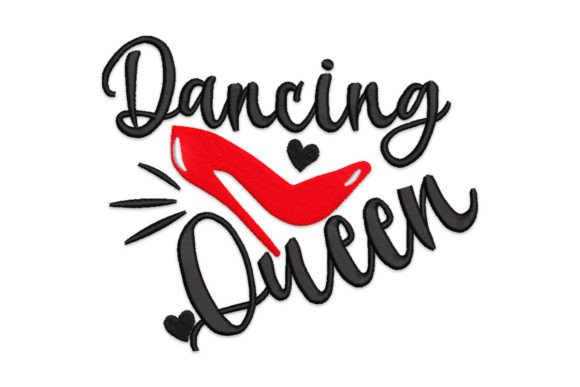
Dancing Queen Embroidery Design Review
As an experienced embroidery designer who has reviewed thousands of digital files for commercial application, I look beyond the visual appeal of a design. For small business owners, Etsy sellers, and merch creators, the true value of a machine embroidery design lies in its versatility, legibility at scale, and ability to elevate brand identity. Today, we are reviewing the Dancing Queen embroidery file. The product description highlights it as a "Beauty Embroidery Design" suitable for home decor, clothes, accessories, and bedsheets. But does it hold up when applied to professional merchandise like branded patches, staff uniforms, or high-volume custom apparel?
First Impressions: Visual Personality and Brand Fit
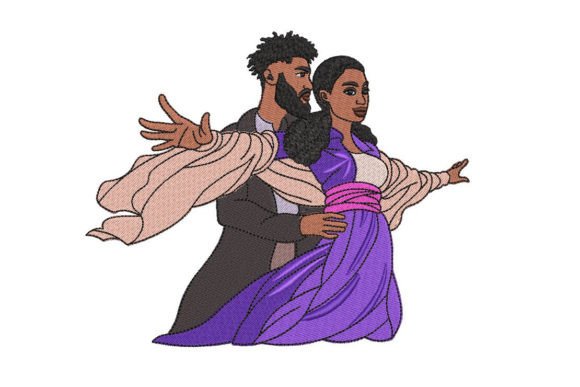
The title "Dancing Queen" immediately suggests movement, joy, and a touch of theatrical flair. When viewing this embroidery file, the first impression is one of playful elegance. It strikes a balance between being bold enough to catch attention on a crowded market stall and refined enough for a boutique setting. This duality makes it a strong candidate for brands that want to communicate approachability without sacrificing professionalism.
For businesses in the creative sector—such as bakeries, florists, pet brands, or handmade jewelry shops—this design adds a personality-driven element to their small business merch. It feels premium yet accessible. However, because the description mentions it is a "Beauty" design, there is likely a decorative quality that requires careful placement. It is not merely a logo; it is an accent piece that can define the aesthetic of your handmade product.
Real-World Business Applications
In my review process, I evaluate how a design performs across various touchpoints. Here is how the Dancing Queen design translates into tangible business assets:
- Embroidered Patches: This design excels as a standalone patch. Whether attached to denim jackets, backpacks, or tote bags, it serves as a focal point. Its dynamic lines suggest motion, which works beautifully on rigid surfaces where the fabric cannot move with the design.
- Staff Uniforms and Aprons: For cafes or boutiques, placing this on the chest area of a work shirt or the bib of an apron creates a friendly, inviting atmosphere. It signals to customers that the brand values creativity and fun. It transforms a standard uniform into a branded experience.
- Cap Embroidery: If the design’s stitch density allows for clean curves, it can serve as a striking cap front logo. The "Dancing Queen" theme fits well with lifestyle brands, music festivals, or summer collections.
- Tote Bag Design: Canvas totes are a staple for crafters and Etsy sellers. This design offers a large, central graphic that fills the space effectively without overwhelming the bag. It turns a simple carrier into a walking advertisement for your brand.
- Product Packaging Accents: Small-scale applications, such as labeling on gift boxes or tags, can add a tactile, high-value feel to your finished product. Customers appreciate the extra effort that goes into branded details.
Strategic Placement for Maximum Impact
To maximize the return on investment for this digital embroidery file, consider strategic placement. Avoid cluttering the design with excessive text. Let the "Dancing Queen" motif speak for itself. On custom apparel, place it where it aligns with the natural flow of the garment’s seams. For example, on a sleeve detail, ensure the design follows the curve of the arm to maintain its shape during wear.
Design Limitations and Areas of Caution
No design is perfect for every application. As a reviewer, I must highlight where this design might struggle, helping you avoid costly production errors.
- Small Patch Sizes: If you intend to use this design for tiny labels or very small patches (under 2 inches), you must inspect the fine details. Intricate outlines may merge together if the stitch density is too high or the resolution is too low. Always test a reduced-size version before committing to bulk orders.
- Curved Surfaces: While caps and sleeves offer some curvature, highly rounded items like certain hats or bags may distort the design if not hooped correctly. The "dancing" aspect of the design relies on clear lines; distortion can make these lines appear jagged or uneven.
- Fabric Texture and Color: This design likely relies on contrast to define its shapes. On dark uniforms or heavily textured fabrics like heavy wool or rough burlap, the definition may be lost. You may need to use a contrasting thread color or a stabilizer backing to ensure the thread colors pop against the material.
- High Stitch Density: Designs with high stitch counts can become stiff and uncomfortable on garments that require frequent washing or flexibility. Check the file specifications to ensure the density is appropriate for soft goods like t-shirts versus harder goods like totes.
Impact on Brand Identity and Customer Trust
Consistency is key to building brand recognition. Using a cohesive design language across all your assets—from social media graphics to physical products—builds trust. The Dancing Queen design, with its elegant yet playful nature, helps establish a brand identity that is both professional and personable.
When customers see a well-executed embroidered patch or precise apron embroidery, they perceive higher product value. It signals that you care about quality control and presentation. In the competitive world of online selling, these subtle details can be the difference between a one-time buyer and a loyal customer. A printable mockup showing this design on your actual products can significantly boost buyer engagement by demonstrating exactly what they will receive.
Practical Designer Notes for Production
Before you upload this file to your embroidery machine for production, follow these essential steps to ensure a successful outcome:
- Test in Black and White: Convert the design to grayscale to check for contrast issues. If the design lacks definition in black and white, it may struggle with specific thread combinations.
- Check Hoop Size Compatibility: Ensure the design fits within your available hoop sizes. If the design is larger than your hoop, you will need to rehoop, which can lead to alignment issues. Confirm the exact dimensions provided in the file instructions.
- Inspect Spacing and Outlines: Zoom in on the digital preview. Are the gaps between stitches wide enough to prevent thread breakage? Are the outlines crisp? Poor spacing can lead to puckering or thread jams.
- Use Proper Stabilizer: The choice of stabilizer is critical. For stretchy fabrics like jersey, use a cut-away stabilizer to prevent distortion. For woven fabrics like canvas or cotton, a tear-away may suffice. Matching the stabilizer to the fabric texture ensures the design remains flat and durable.
- Create a Mockup for Client Approval: If you are producing these items for clients, always provide a visual mockup. This manages expectations and reduces returns due to misunderstandings about the final look.
- Confirm Commercial Licensing: This is perhaps the most important step. Before using this design on merchandise for sale, verify the license terms included with the purchase. Some digital files are for personal use only. Ensure you have the right to sell products featuring the Dancing Queen design to avoid legal issues.
Final Verdict
The Dancing Queen embroidery design is a versatile asset for any creative business. Its blend of beauty and dynamism makes it suitable for a wide range of applications, from tote bag design to staff uniforms. By paying attention to placement, fabric choice, and production quality, you can leverage this design to enhance your brand’s visual consistency and professional presentation. Remember to always test on real fabric and confirm licensing before scaling up your production. With careful execution, this design can become a signature element of your design assets portfolio.