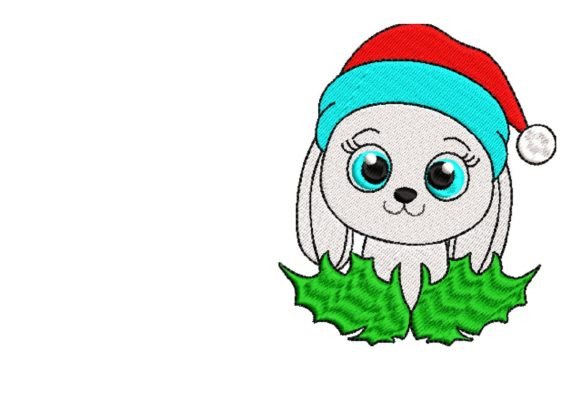
Cute Christmas Puppy Embroidery Review
As a designer who spends more time judging stitch density than drinking coffee, I approach every new embroidery file with a mix of skepticism and hope. The market is flooded with generic holiday motifs, so finding a design that actually holds up in real-world production is rare. That is why I took Cute Christmas Puppy for a serious test run. This isn’t just about whether it looks cute on a screen; it is about how it translates to thread, fabric, and ultimately, a product that customers will trust enough to buy.
First Impressions and Visual Personality
The moment you load the design into your digitizing software, the mood is set. It avoids the cluttered, chaotic aesthetic that plagues many seasonal designs. Instead, it leans into warmth and innocence. The layout feels balanced, which is critical when you are trying to place it on a specific part of a garment or accessory without it looking like an afterthought. The visual personality is soft but distinct, making it versatile enough for both high-end boutique branding and casual craft fair items.
What stands out immediately is the attention to detail without overcomplicating the silhouette. For a machine embroidery design, this balance is everything. If the details are too fine, they get lost in the stitching process. If they are too bold, the design loses its charm. Cute Christmas Puppy seems to hit that sweet spot where the character remains recognizable even at smaller scales, provided you respect the limits of your hoop size.
Real-World Application: From Screen to Stitch
I decided to test this design in scenarios that mirror actual client requests. The first project was a custom embroidered tote bag for a local holiday pop-up shop. Tote bags are unforgiving; the canvas can be thick, and the surface area often leads to stretching if the stabilizer isn’t chosen correctly. I paired the design with a neutral, light-colored canvas and used a cut-away stabilizer to ensure stability.
The result was clean. The satin stitch edges around the puppy’s outline held their shape well, providing a crisp definition against the textured fabric. However, I noticed that the background fill stitches required a steady feed. This taught me that while the design is forgiving, it demands proper tension settings. For an Etsy seller or small business owner, this means consistency is key. You cannot rush the hooping process with this file.
I also experimented with placing it on a sweatshirt. Sweatshirts present a different challenge due to the knit structure. Here, the design shines as a focal point on the chest or back. The fill stitch areas did not pucker excessively, which is a common issue with dense holiday themes. This makes it an excellent choice for custom apparel targeting the gift market. Parents love buying these for children, and the holiday embroidery theme ensures it sells during peak seasons.
Baby Items and Nursery Decor
One of the strongest use cases for this design is in baby products. Whether it is a onesie, a burp cloth, or a nursery wall hanging, the softness of the imagery works perfectly. When digitizing for baby embroidery, safety and comfort are paramount. The design does not rely on sharp, jagged lines that might irritate sensitive skin or look harsh. Instead, it uses gentle curves. I tested a version on a soft cotton muslin for a personalized gift, and the thread colors popped beautifully without overwhelming the delicate fabric. It adds a touch of professionalism to what could otherwise be a simple handmade item.
Where Caution Is Required
No design is perfect for every situation, and being honest about limitations is part of being a responsible reviewer. There are specific contexts where Cute Christmas Puppy might struggle.
- Small Hoop Sizes: If you attempt to digitize this down to fit a 4x4 hoop or smaller, you risk losing the finer details. The eyes and nose may merge into indistinct blobs. Always check the minimum recommended hoop size before scaling down.
- Textured and Stretchy Fabrics: While it performed well on stable cottons, I would hesitate to use this on highly textured fabrics like chunky knits or stretchy jersey without extensive testing. The fabric texture can interfere with the running stitch details, causing them to wobble or break.
- Dense Stitch Areas: If the design includes heavy fill areas, it may become stiff. For items like aprons or kitchen towels that need to remain flexible, you might want to reduce the density or use fewer passes in your digitizing software.
- Dark Fabrics: Contrast is crucial. On dark backgrounds, lighter thread colors might get lost unless you use a backing or underlay that provides opacity. Always test color contrast before committing to a large production run.
Impact on Product Value and Branding
For commercial embroidery projects, the quality of the design directly impacts perceived value. A sloppy stitch job screams amateur hour, but a clean, well-executed design builds customer trust. Cute Christmas Puppy has a "premium" feel because it doesn't try too hard. It lets the charm speak for itself.
This is particularly important for craft business owners who compete on platforms like Etsy or Amazon Handmade. Buyers can spot low-quality digitization from a mile away. By using a design that maintains clarity and balance, you signal that your brand cares about craftsmanship. This leads to better reviews, higher retention, and increased word-of-mouth referrals. Furthermore, the design’s versatility allows for cross-selling. You can offer matching sets—a tote bag, a tea towel, and a pillow cover—creating a cohesive brand identity that resonates with buyers looking for coordinated home decor.
Practical Designer Notes for Implementation
Before you start mass-producing items with this file, here are my essential recommendations to ensure success:
- Test on Scrap Fabric: Never go straight to the final product. Use scrap pieces of the exact fabric you plan to sell. This helps you identify issues with puckering, thread tension, or color bleeding early.
- Review Stitch Density: Open the file in your software and inspect the density settings. If it looks overly dense, consider reducing the number of fill passes to improve flexibility and reduce thread consumption.
- Check Black and White Mockups: Convert the design to grayscale to ensure that the shapes are distinct. If elements blend together in black and white, they will likely do so in color as well.
- Use Proper Stabilizer: Match your stabilizer to your fabric weight. Heavy fabrics need heavy stabilizers; lightweight fabrics need tear-away or wash-away options to prevent bulk.
- Confirm Licensing: If you intend to sell finished goods, verify the commercial license terms. Some digital embroidery files have restrictions on the number of units you can produce. Ignoring this can lead to legal issues.
Final Verdict
Cute Christmas Puppy is a solid addition to any designer’s library for the holiday season. It balances aesthetic appeal with practical stitchability, making it suitable for a wide range of products from embroidered patches to sweatshirt embroidery. It is not a revolutionary design, but it is a reliable one. For makers and sellers who want to add a touch of warmth and professionalism to their holiday offerings, this design delivers. Just remember to respect the technical requirements, test thoroughly, and let the quality of your workmanship shine through. In the end, that is what turns a simple embroidery project into a successful handmade product.